The 10 best leave-in conditioners of 2026, stylist-tested.
A working hairstylist tested ten leave-in conditioners on real salon clients across fine, thick, curly, and color-treated hair. These are the ones that actually earned a permanent spot in her kit.
Independent review. Some links earn us a commission — that doesn't move the rankings. See our affiliate disclosure.
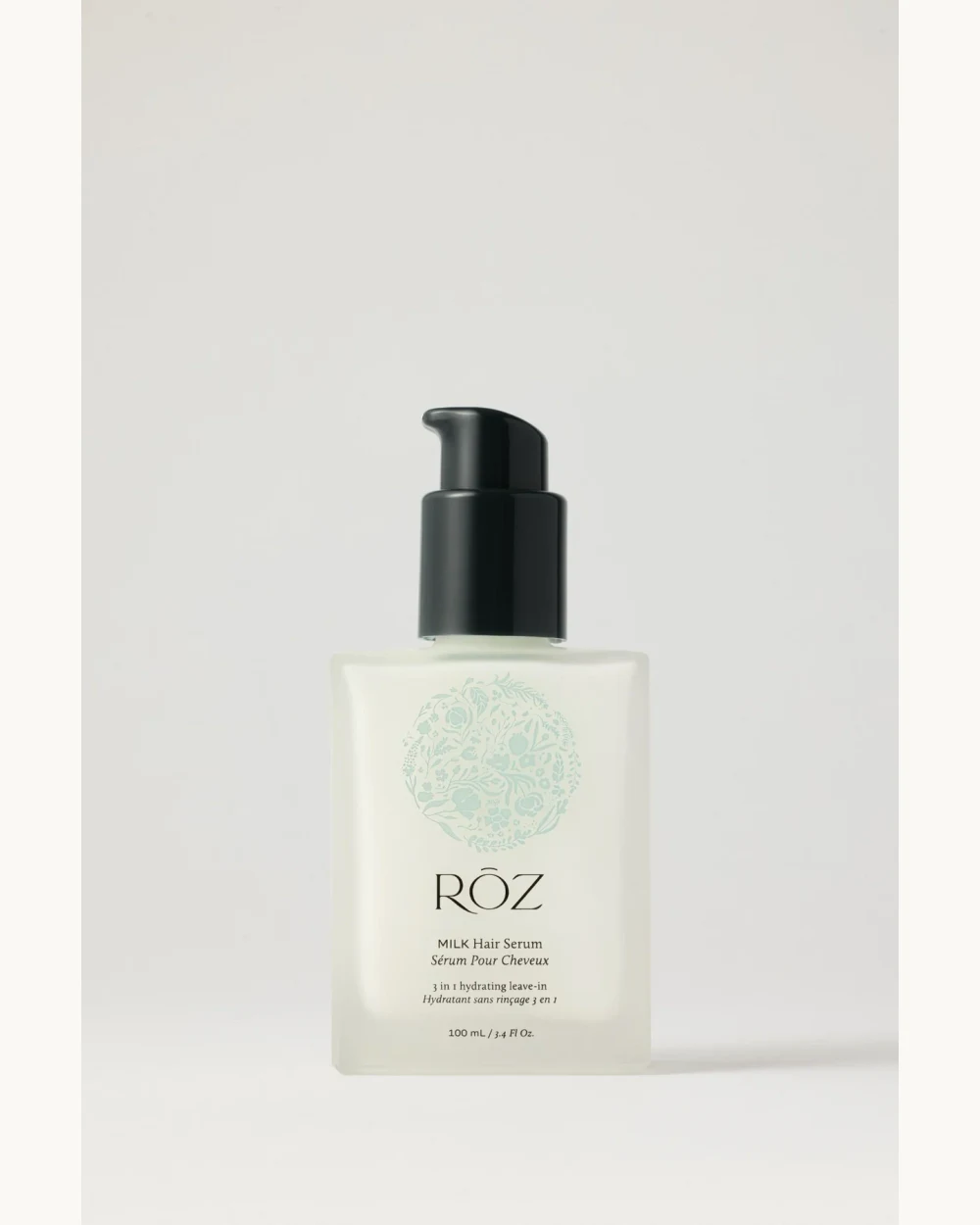
Milk Hair Serum
Clean, 3-in-1, works wet or dry on every hair type. The most versatile leave-in I own — heat protection and air-dry payoff in one bottle.
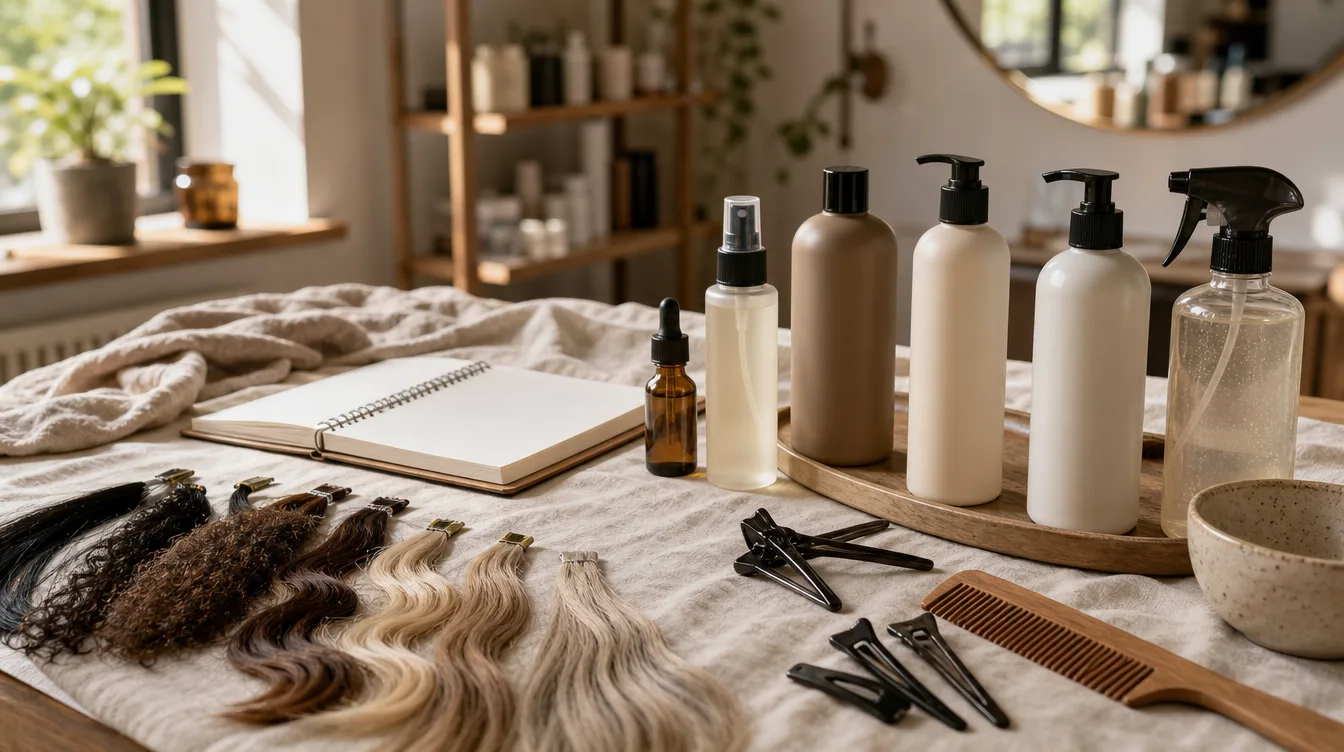
That is why the guide keeps circling back to hair density, climate, heat styling, and application amount.
Unbranded testing visual: texture, hair type, and application context.Three to start with
If you read no further, these are the three our reviewer would buy first — by use case.
Best overall
RŌZ
Milk Hair Serum
Clean, 3-in-1, works wet or dry on every hair type. The most versatile leave-in I own — heat protection and air-dry payoff in one bottle.
Read full reviewBest for fine hair
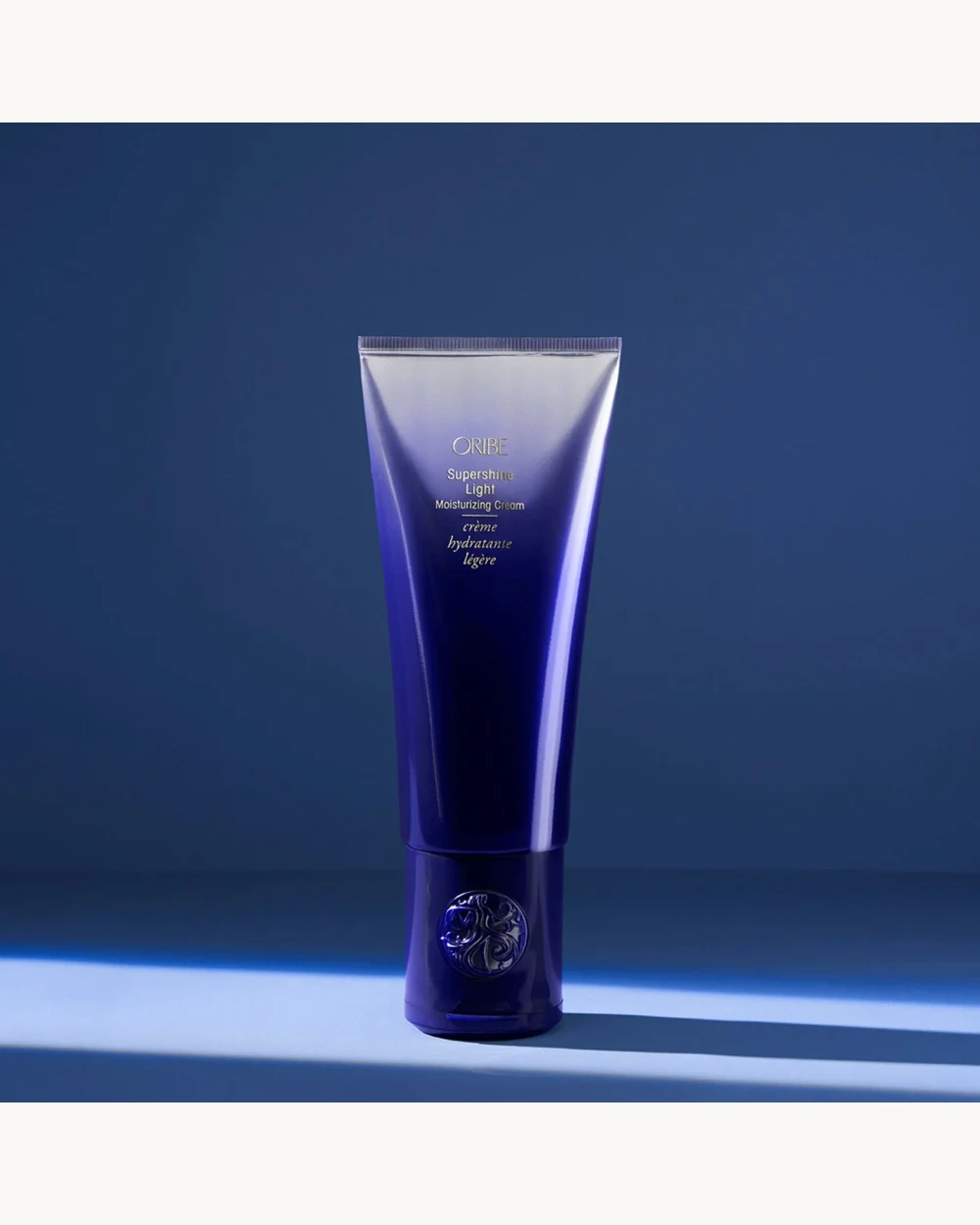
Oribe
Supershine Moisturizing Cream Light
Everything the original does, reformulated for fine hair. Same shine and heat protection without the weight — the fine-hair stylist's pick.
Read full reviewBest for tangles
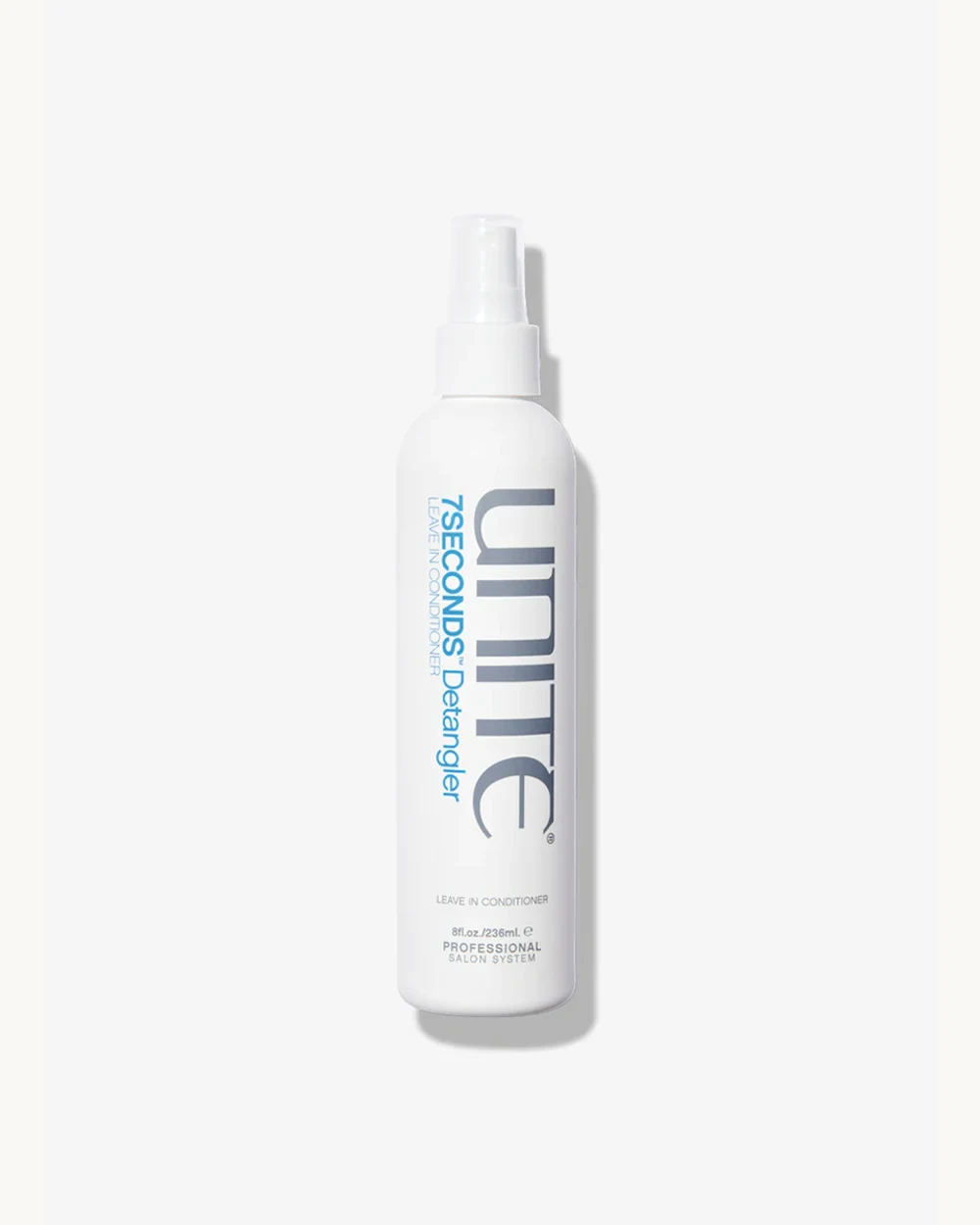
Unite
7 Seconds Detangler Leave-In Conditioner
The cult classic for a reason — when nothing else cuts through the knots, this is the one. A specialist, not a daily driver, but indispensable when you need it.
Read full reviewA leave-in is a tiny film, not magic moisture.
The right one leaves enough conditioning behind to reduce friction, add slip, and protect during styling. The wrong one leaves the same film in the wrong weight.
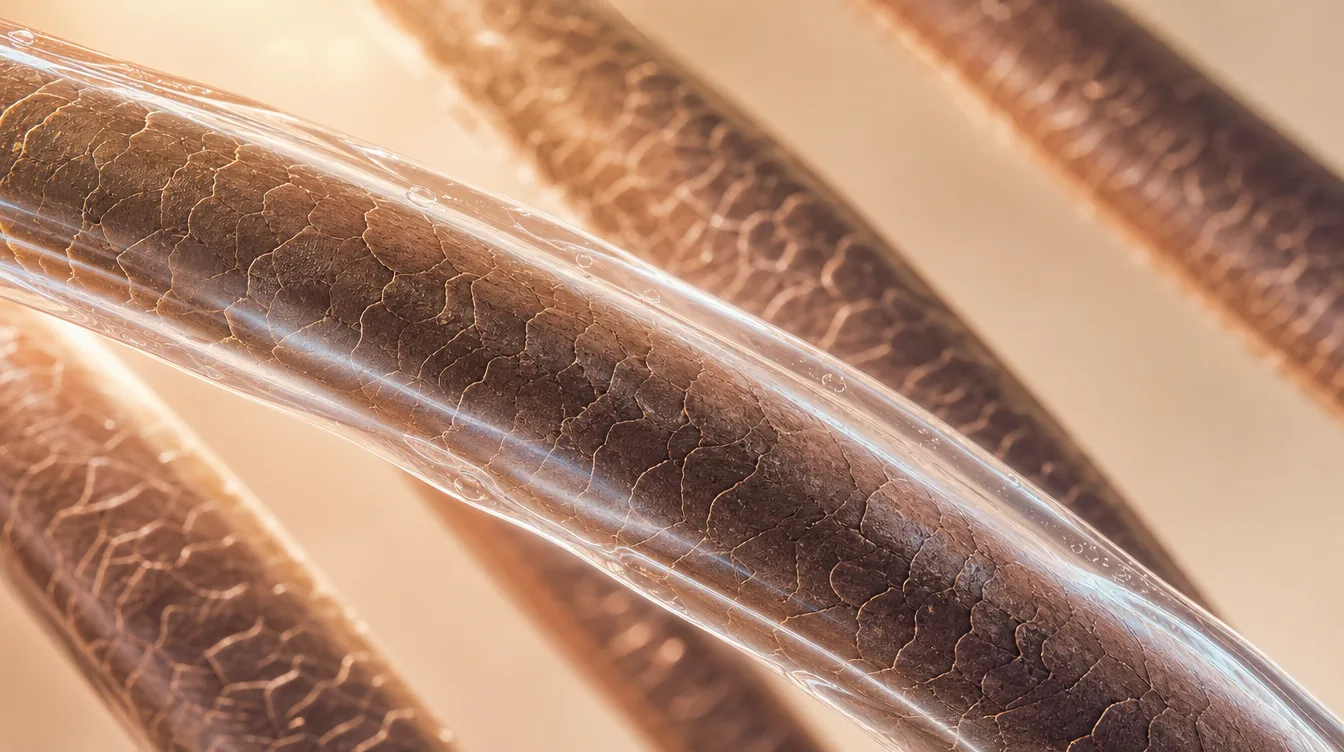
- 01 Slip reduces friction
Combing and blow-drying feel easier because the surface catches less.
- 02 Weight changes the result
A rich cream can flatter coarse hair and flatten fine hair in the same afternoon.
- 03 Climate changes the feel
Humectants can help in normal humidity and feel drier in very dry air.
Where leave-in belongs in the routine
Leave-in goes before styling products because it is the base layer. Use it after washing, before blow-drying, or as a tiny refresh on dry mid-lengths and ends.
- 01 Cleanse
Shampoo removes oil, buildup, and residue.
- 02 Condition
Rinse-out conditioner gives the first slip layer.
- 03 Leave-in
The base layer that stays on hair before styling.
- 04 Style
Cream, gel, mousse, spray, or heat tool comes next.
- 05 Finish
Oil, serum, or a dry-hair pass can polish ends.
All 10, ranked side-by-side
Overall scores, dimensional breakdown, formulation flags, price tier. Tap a product to jump to the full review below.
| # | Product | Overall | Ingredients | Price | Shop |
|---|---|---|---|---|---|
| 1 | RŌZ Milk Hair Serum | 10.0 | Sulfate-Free Silicone-Free | $$ | Check price · RŌZ |
| 2 | 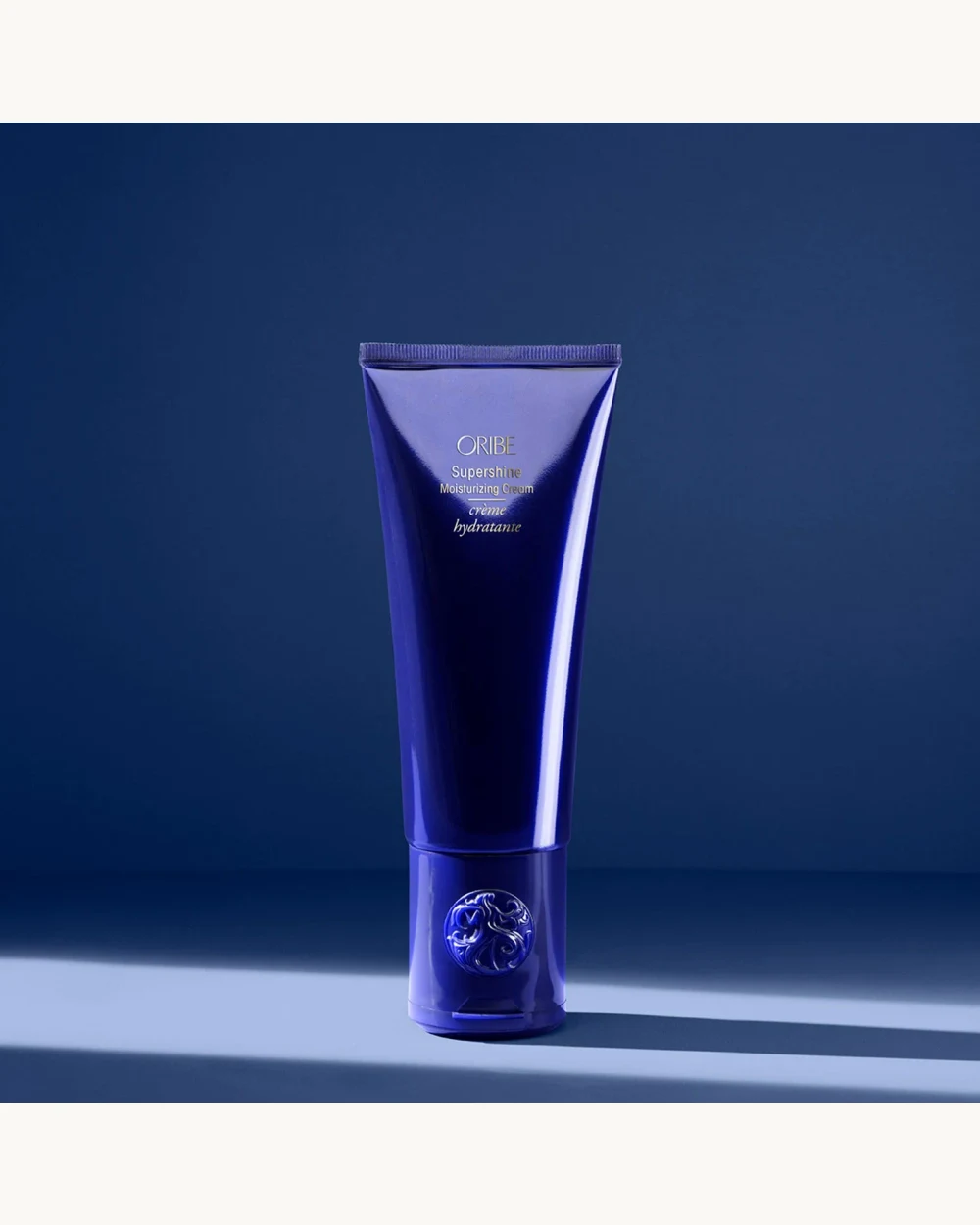 Oribe Supershine Moisturizing Cream | 9.0 | Sulfate-Free Silicone-Free | $$$ | Visit |
| 3 | Oribe Supershine Moisturizing Cream Light | 9.0 | Sulfate-Free Silicone-Free | $$$ | Visit |
| 4 | Unite 7 Seconds Detangler Leave-In Conditioner | 9.0 | Sulfate-Free Silicone-Free | $$ | Visit |
| 5 | 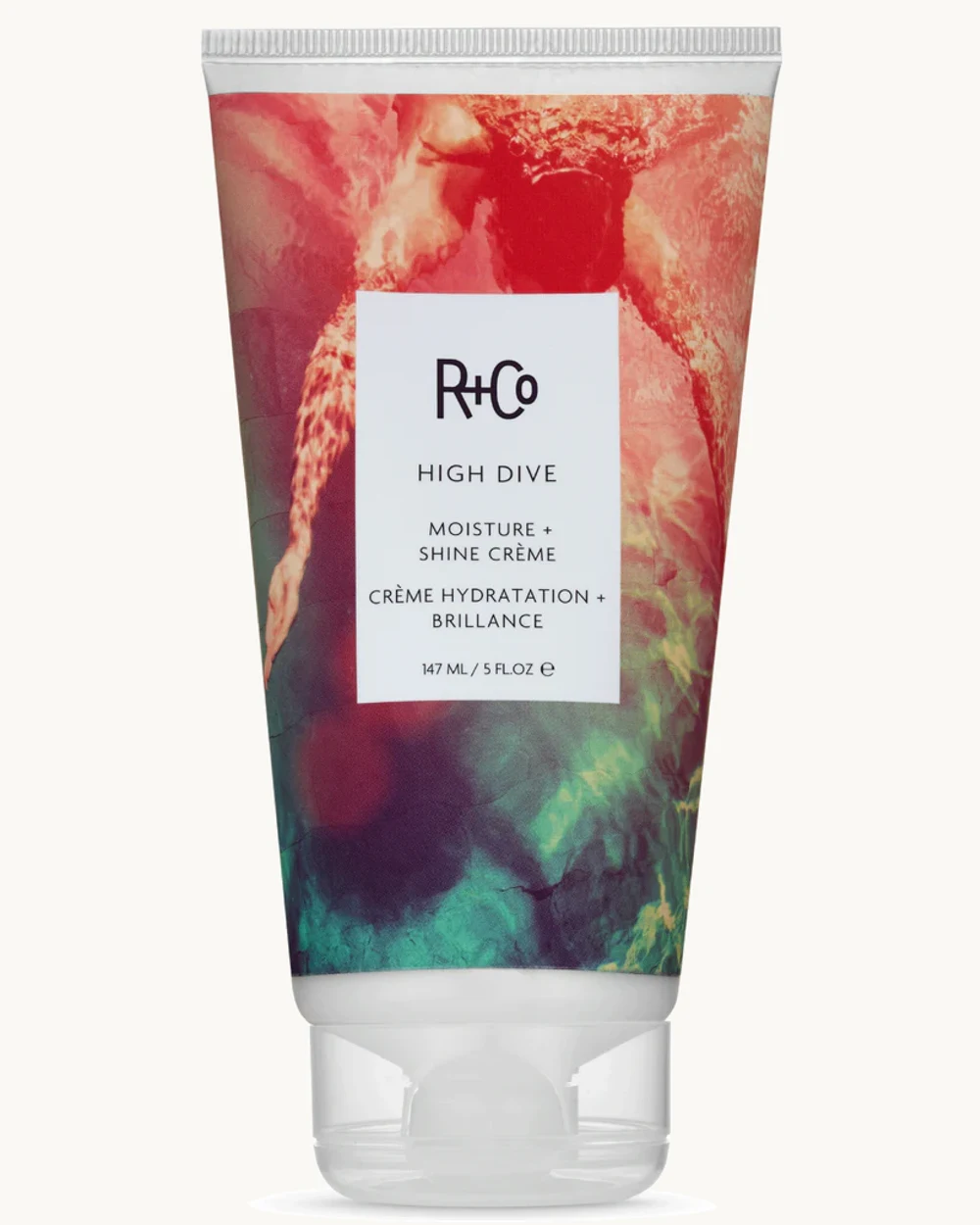 R+Co High Dive Moisture + Shine Crème | 8.0 | Sulfate-Free Silicone-Free | $$ | Visit |
| 6 | 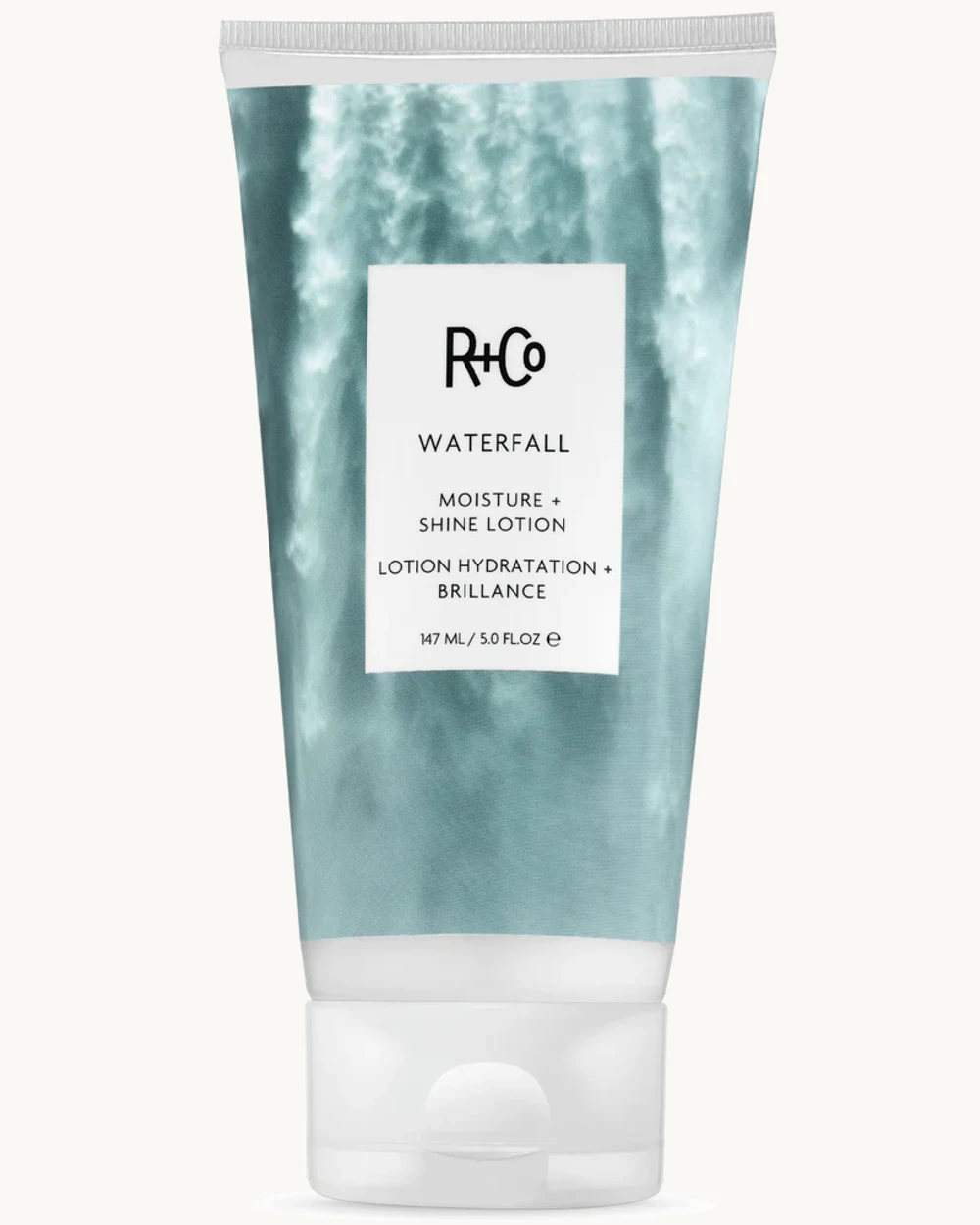 R+Co Waterfall Moisture + Shine Lotion | 8.0 | Sulfate-Free Silicone-Free | $$ | Visit |
| 7 | 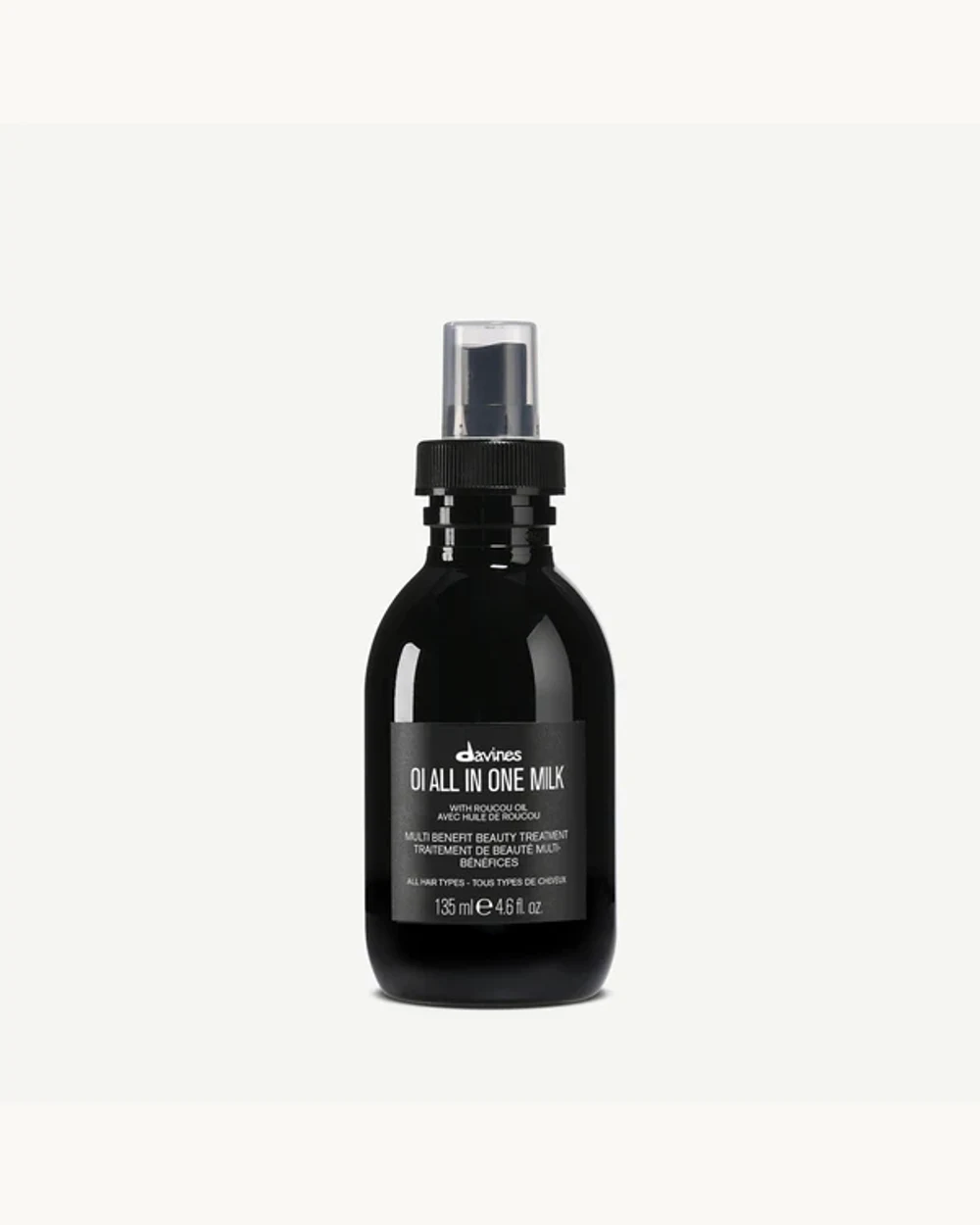 Davines OI All-in-One Milk | 8.0 | Sulfate-Free Silicone-Free | $$ | Visit |
| 8 | 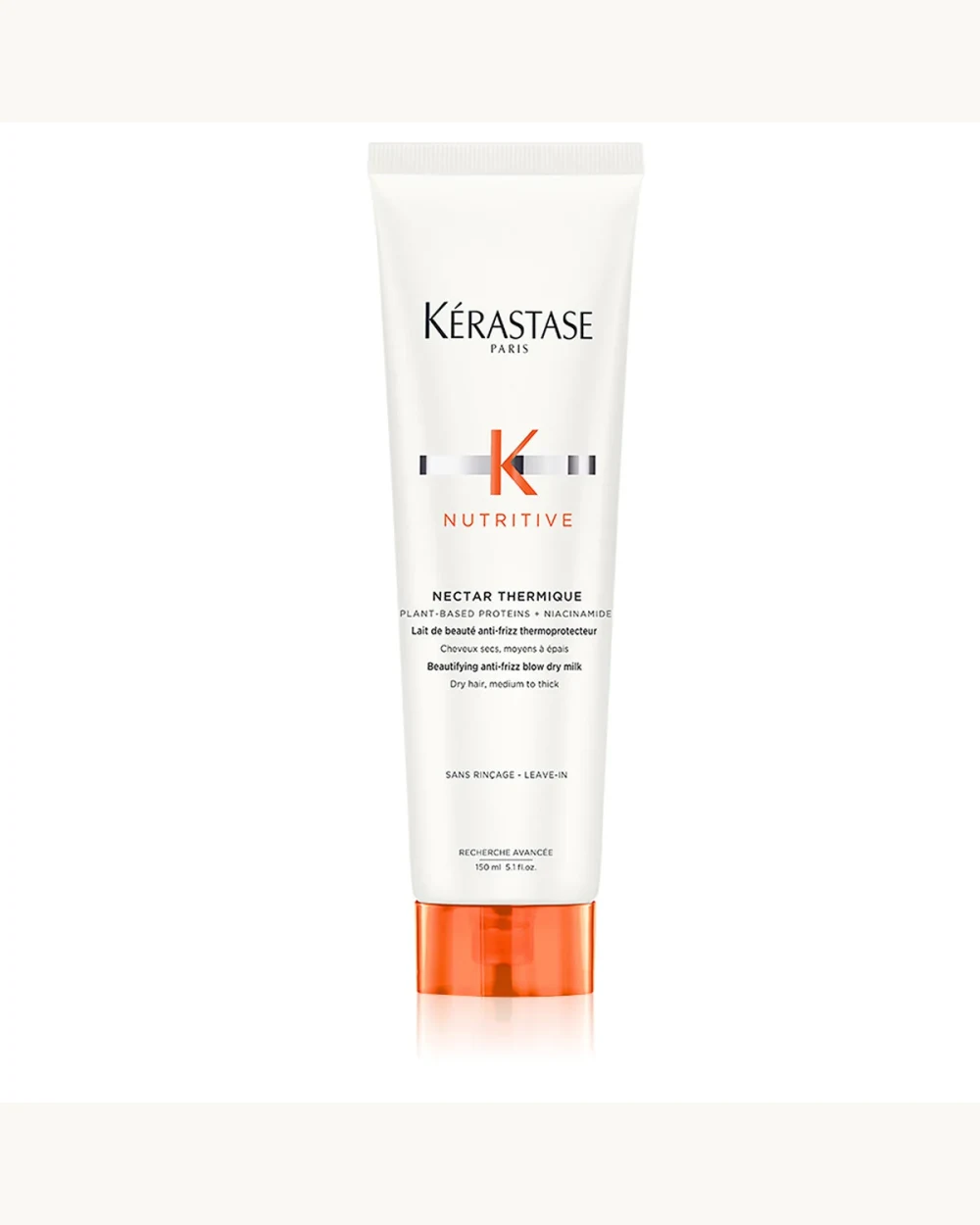 Kérastase Nutritive Nectar Thermique | 7.0 | Sulfate-Free Silicone-Free | $$$ | Visit |
| 9 | 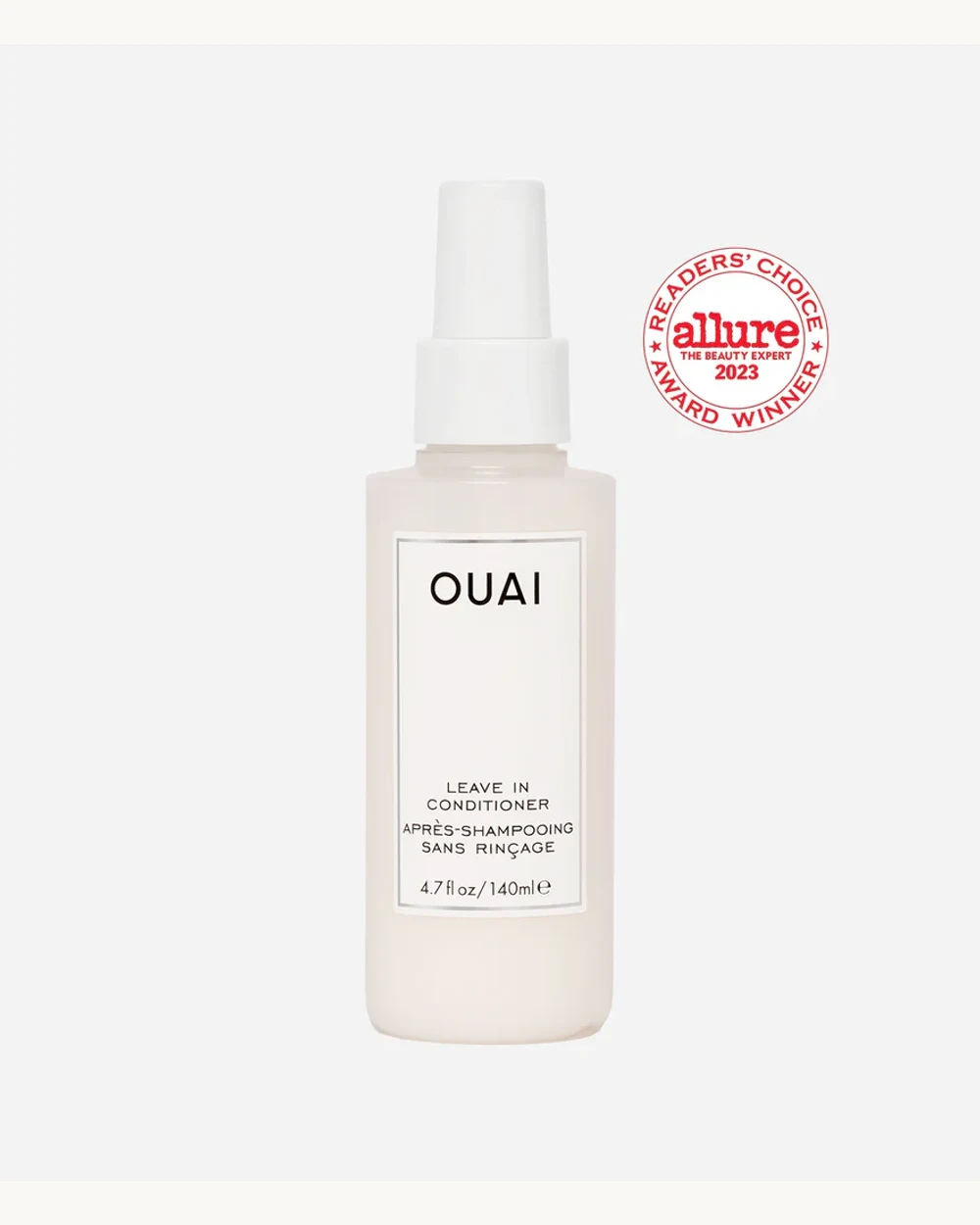 OUAI Leave-In Conditioner | 7.0 | Sulfate-Free Silicone-Free | $$ | Visit |
| 10 | 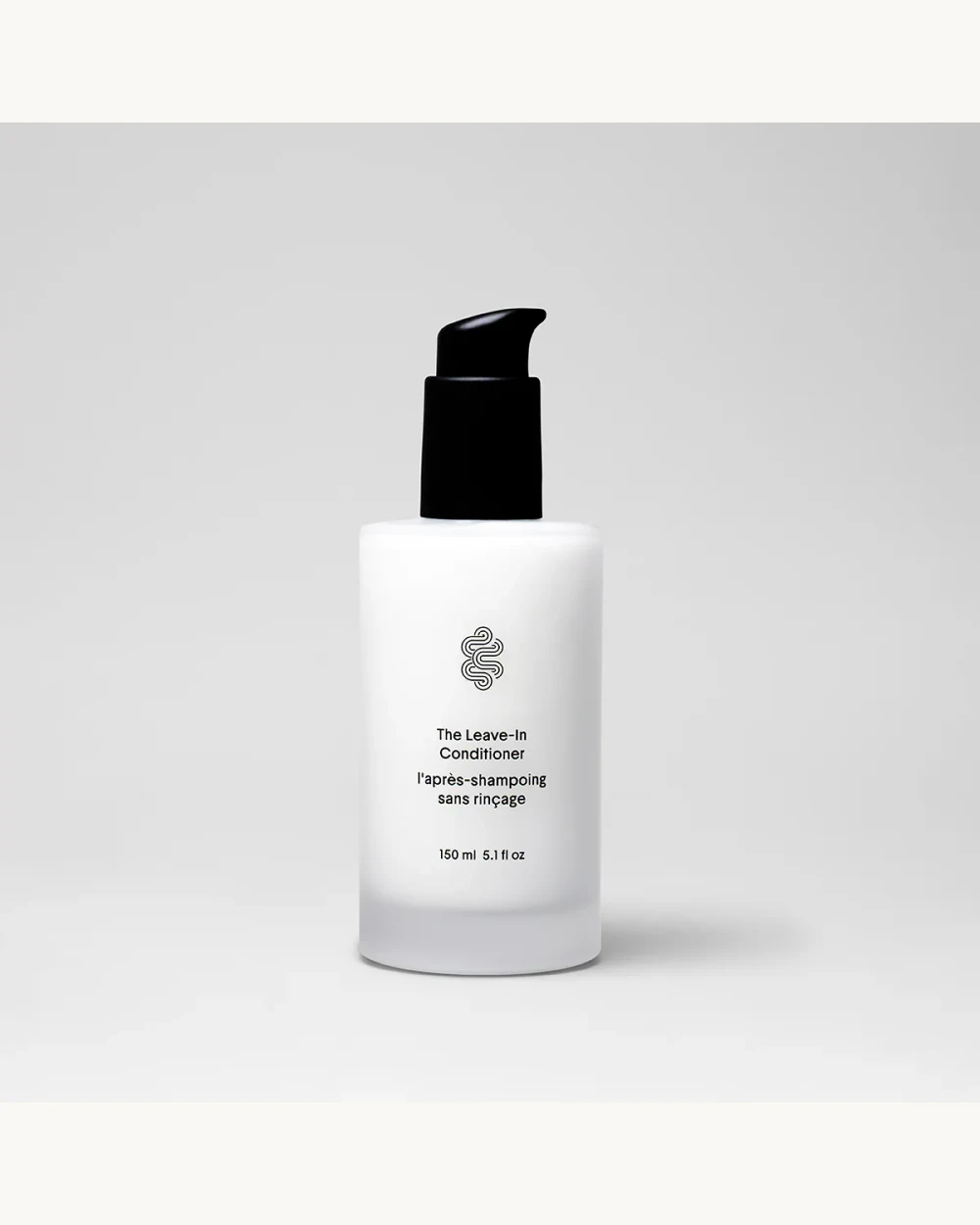 Crown Affair The Leave-In | 7.0 | Sulfate-Free Silicone-Free | $$ | Visit |
Where each leave-in sits on the weight spectrum
Most bad leave-in experiences are not bad products. They are good formulas at the wrong weight for the hair.
- 1/5 Sensitized-end mist OUAI Leave-In Conditioner All hair · 7.0/10
- 2/5 Fine-hair shine Oribe Supershine Moisturizing Cream Light fine + medium · 9.0/10
- 2/5 Tangle rescue Unite 7 Seconds Detangler Leave-In Conditioner All hair · 9.0/10
- 2/5 Light UV support R+Co Waterfall Moisture + Shine Lotion fine + medium · 8.0/10
- 3/5 Wet-or-dry multitasker RŌZ Milk Hair Serum All hair · 10.0/10
- 3/5 Hybrid detangle and finish Davines OI All-in-One Milk All hair · 8.0/10
- 4/5 Shine and heat film Oribe Supershine Moisturizing Cream medium + thick · 9.0/10
- 4/5 UV and heat shield R+Co High Dive Moisture + Shine Crème medium + thick · 8.0/10
- 4/5 Thermal cream Kérastase Nutritive Nectar Thermique All hair · 7.0/10
- 4/5 Rich clean moisture Crown Affair The Leave-In medium + thick · 7.0/10
Best leave-in conditioner, by hair type
All hair types
Fine hair
Thick or coarse hair
Curly hair
Color-treated hair
Damaged hair
All ten, in order
Ranked by overall score; ties broken by reviewer preference.
1. RŌZ Milk Hair Serum
2. Oribe Supershine Moisturizing Cream
3. Oribe Supershine Moisturizing Cream Light
4. Unite 7 Seconds Detangler Leave-In Conditioner
5. R+Co High Dive Moisture + Shine Crème
6. R+Co Waterfall Moisture + Shine Lotion
7. Davines OI All-in-One Milk
8. Kérastase Nutritive Nectar Thermique
9. OUAI Leave-In Conditioner
10. Crown Affair The Leave-In
What to look for in a leave-in conditioner
Not every leave-in is doing the same job. Some are lightweight hydrators. Some are heat shields. Some are styling primers in disguise. Knowing what you're actually buying is the difference between adding a product to your routine and wasting $30.
Start with the first five ingredients. Ingredients are listed in descending order of concentration. If the first five are water, silicone, and two alcohols, you have a lightweight silicone spray. If they're shea butter, a fatty alcohol, and a natural oil, you have a moisture-rich cream. The marketing on the front of the bottle is optional reading. The first five ingredients are the product.
Humectants (glycerin, panthenol, sodium hyaluronate, aloe) pull moisture from the air into the hair. Good for dry or fine hair in normal climates. In very dry climates — below 30% humidity — they can pull moisture *out* of the hair, which is why the same leave-in feels amazing in LA and dry in Phoenix.
Emollients (natural oils, fatty alcohols, shea butter, cocoa butter) smooth the cuticle and make hair feel soft. Fatty alcohols — cetyl, cetearyl, stearyl — are *not* drying alcohols. The label looks similar; the function is opposite.
Proteins (hydrolyzed keratin, silk, wheat, amino acids) temporarily fill gaps in damaged cuticles. Good for color-treated or chemically processed hair. Too much protein on fine, healthy hair makes it stiff and brittle.
Heat protection comes from specific ingredients, not claims on the front of the bottle. Silicones (dimethicone, cyclomethicone, amodimethicone) form the most proven heat-buffering film. Silicone-free formulas can protect too — usually through proteins plus panthenol plus oils — but the bar is higher and the claims less consistent. If you heat-style often and want the safest bet, look for dimethicone in the first ten ingredients.
What to avoid: drying alcohols (alcohol denat, SD alcohol, isopropyl) in the first five ingredients; mineral oil and petrolatum; heavy silicones on curly or sulfate-free routines; synthetic fragrance if you have scalp sensitivities.
The best leave-in is the one that matches your hair type and the job you're asking it to do. That's why this list ranks leave-ins with specific hair types called out for each pick — not as a single universal winner.
The label is easier when you read it by job.
Most leave-ins are some mix of these four jobs. The customer question is not "is this good?" It is "is this the right weight for my hair and climate?"
Humectants
Pull water toward the hair
- Best when
- Normal humidity, dry-feeling hair
- Watch when
- Very dry air can make them feel less forgiving
Emollients
Soften and smooth the surface
- Best when
- Coarse, dry, or frizz-prone hair
- Watch when
- Fine hair can flatten if the dose is too rich
Proteins
Temporarily patch weak spots
- Best when
- Color-treated or damaged hair
- Watch when
- Too much can feel stiff on healthy fine hair
Heat film
Buffer styling heat and friction
- Best when
- Blowouts, irons, frequent heat styling
- Watch when
- Confirm the claim on the formula, not only the front label
This is the visual reason the guide separates formula jobs from hair conditions. The bottle does not work in a vacuum.
Climate matters because the same formula can feel different in different air.- Applied each leave-in on damp hair at the shampoo bowl before cutting or styling, then worn through a full salon service.
- Tested in both wet and dry application on fine, medium, thick, coarse, curly, and color-treated hair.
- Tracked behavior across humidity conditions, heat styling at multiple temperatures, and multiple wash cycles.
- Scored on overall performance plus five dimensions — heat protection, moisture, shine, versatility, and scent — by the reviewing stylist.
- Revisited quarterly; rating updates are dated when published.